Agreement Nuances Guiding Resource Flows Toward Elevated Access Levels in Handheld Wagering Ecosystems
Written by Quinn Lange · May 31, 2026
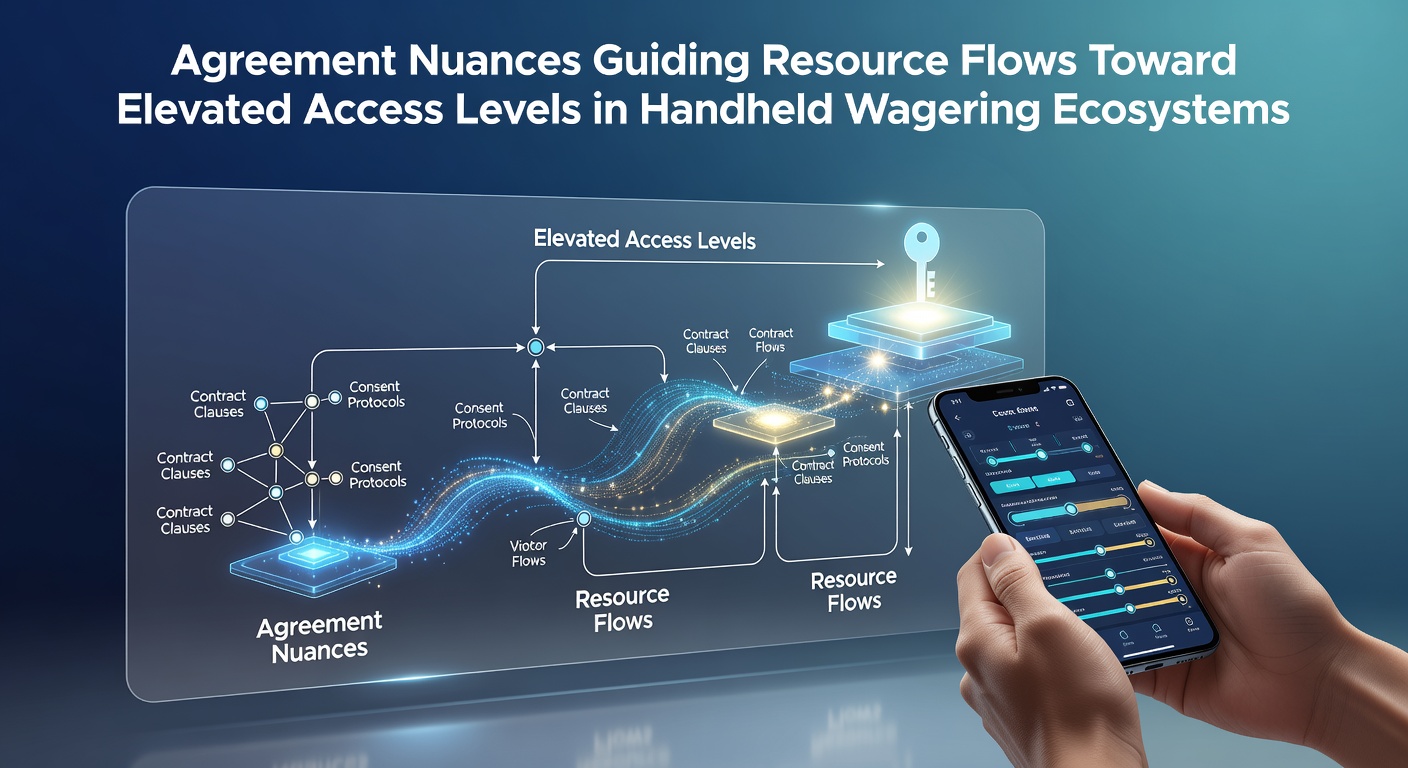
Agreement Nuances Guiding Resource Flows Toward Elevated Access Levels in Handheld Wagering Ecosystems
Contract terms in mobile wagering platforms determine how deposits, bonuses, and withdrawals interact with user progression systems, and observers note that these clauses shape the pace at which participants reach higher access tiers. Data from industry analyses indicate that specific language around minimum deposit thresholds, wagering multipliers, and time-bound activity requirements directly influences whether funds convert into qualifying activity for VIP elevation.
Clause Structures That Route Funds to Tier Progression
Agreements often specify that only certain transaction types count toward tier points, while exclusions for particular payment methods or bonus funds create barriers that slow advancement, and this pattern appears across multiple jurisdictions where operators maintain separate rule sets for handheld applications. Regulatory filings from the Malta Gaming Authority show that operators must disclose these distinctions clearly, yet the precise wording around "eligible turnover" varies enough to affect how quickly users accumulate the metrics required for elevated status.
Payment velocity clauses further complicate resource movement because some contracts impose daily or weekly caps on deposits that qualify for tier credit, whereas others tie point accrual to verified identity checks completed within defined windows, and these provisions become especially relevant during periods of platform updates projected for May 2026 when several operators plan to synchronize their mobile loyalty engines with new cross-border compliance frameworks.
Bonus Conversion Rules and Access Elevation
Many handheld wagering ecosystems embed conditions that convert deposited amounts into playable credit only after users meet separate playthrough thresholds, while simultaneously requiring those same funds to generate activity that feeds into VIP calculations, and researchers at the University of Nevada Reno documented how such dual-purpose clauses can extend the timeline to higher access levels by several weeks depending on game selection and stake sizing. Contracts frequently list excluded games or bet types that do not contribute to either bonus clearance or tier movement, which creates distinct pathways that users must navigate through careful selection of titles and bet sizes.

Withdrawal restrictions tied to active tier status add another layer, since agreements may freeze pending cashouts until users reach or maintain a particular level, and this mechanism effectively channels continued deposits back into the ecosystem to sustain eligibility. Figures released by the European Gaming and Betting Association reveal that platforms employing these retention-oriented clauses experience measurable differences in average session length and deposit frequency compared with those using simpler flat-percentage reward models.
Regional Variations in Agreement Language
Operators licensed in multiple territories maintain jurisdiction-specific addenda that alter how funds flow toward elevated access, and Australian regulatory summaries indicate that state-level rules increasingly require explicit statements about whether cryptocurrency deposits receive the same tier credit as traditional methods. In contrast, frameworks emerging in parts of North America emphasize transparency around auto-renewal of time-limited promotions that can reset progress metrics if users fail to meet activity thresholds within the stated period.
Those who examine sample agreements across platforms observe that language governing "inactive account" status often intersects with tier maintenance requirements, since prolonged periods without qualifying deposits can trigger demotion clauses that reset accumulated benefits, and this interaction becomes more pronounced when operators introduce seasonal campaigns scheduled around May 2026 that reward consistent cross-month activity.
Payment Method Restrictions and Tier Eligibility
Certain contracts explicitly exclude e-wallet transactions or prepaid card deposits from counting toward VIP qualification, whereas bank transfer or direct debit options receive full weighting, and this differentiation directs resource allocation toward methods that simultaneously satisfy both funding needs and progression goals. Observers tracking policy updates note that such distinctions have prompted some platforms to introduce hybrid payment solutions that bundle multiple methods under a single verification layer, thereby streamlining the path from initial deposit to higher access entitlements.
Time-sensitive clauses around bonus expiration further influence flow patterns because agreements may stipulate that unspent promotional credit loses eligibility for tier contribution once a deadline passes, which encourages users to sequence their deposits and play patterns to maximize overlap between bonus clearance and VIP accrual windows.
Conclusion
Agreement nuances continue to function as primary mechanisms that steer financial resources through the various checkpoints of mobile wagering ecosystems, and evidence from regulatory disclosures and academic examinations demonstrates consistent effects on how participants achieve elevated access levels. Operators maintain these provisions to align player behavior with platform economics, while regulatory bodies across regions enforce disclosure standards that reveal the precise conditions governing fund movement and tier advancement. As handheld platforms prepare for operational adjustments anticipated in May 2026, the interplay between contract language, payment routing, and access elevation remains a central factor shaping user trajectories within these environments.