Contract Clauses Mapping Fund Routes to Tiered Access in Portable Reel Sessions and Interactive Wheel Zones
Written by Mia Albrecht · May 27, 2026
Contract Clauses Mapping Fund Routes to Tiered Access in Portable Reel Sessions and Interactive Wheel Zones
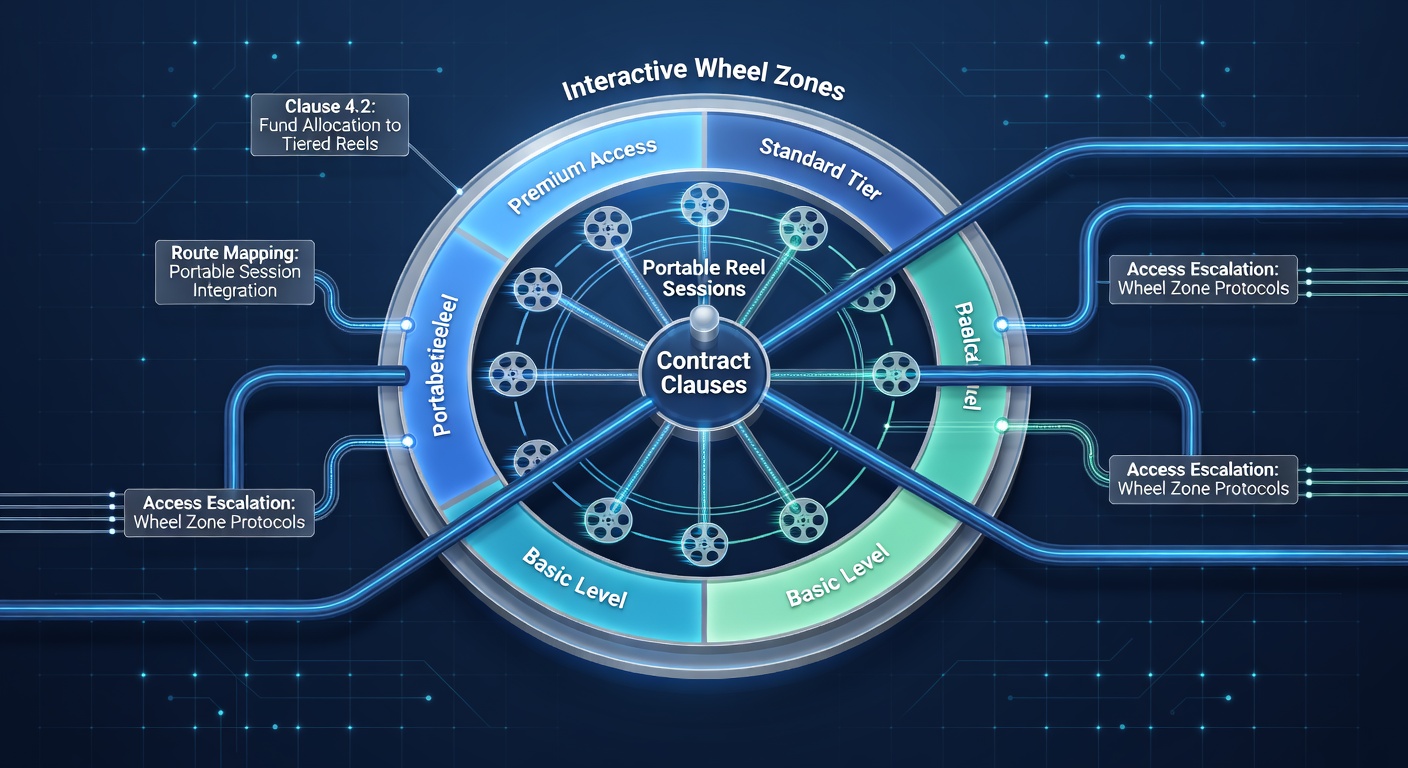
Contract clauses in digital gaming platforms establish explicit connections between funding mechanisms and graduated access levels within portable reel sessions along with interactive wheel zones, and observers note these provisions define how deposits and transaction pathways unlock specific features or session durations on mobile devices. Data from industry analyses shows these mappings appear in terms of service documents where payment routes such as bank transfers, digital wallets, or card authorizations trigger different tiers that range from basic reel spins to extended interactive wheel engagements with added multipliers or live integration options.
Fund Routes and Their Contractual Definitions
Legal frameworks require operators to detail fund routes through clauses that specify verification steps, processing times, and eligibility criteria before access escalates, while researchers at the Australian Gambling Research Centre have documented similar structures across multiple jurisdictions where clause language ties initial deposits to entry-level portable sessions and subsequent verified transfers to higher wheel zone privileges. These provisions often list acceptable payment channels alongside minimum thresholds, and they outline how repeated funding activity accumulates toward tier advancement without manual intervention in most automated systems.
Portable Reel Sessions Under Tiered Clauses
Clauses governing portable reel sessions map smaller or one-time fund routes to limited spin counts and standard volatility settings, whereas sustained or larger routes activate progressive features such as bonus rounds and extended play windows on mobile interfaces, and this structure appears consistently in platform agreements reviewed during regulatory updates scheduled for May 2026. Observers note that mobile-specific language in these clauses addresses device compatibility, session persistence across network changes, and data security protocols that must remain intact regardless of the funding path selected by the user.
Interactive Wheel Zones and Access Mapping
Interactive wheel zones receive parallel treatment in contract language, where clauses link certain payment routes to real-time dealer connectivity or multiplier wheels that operate only after fund verification clears, and this differentiation creates clear pathways from basic participation to premium interactive elements. Evidence from compliance reports indicates operators embed these mappings to comply with regional standards, with examples including clauses that require two-factor authentication on fund routes exceeding set amounts before unlocking advanced wheel mechanics.
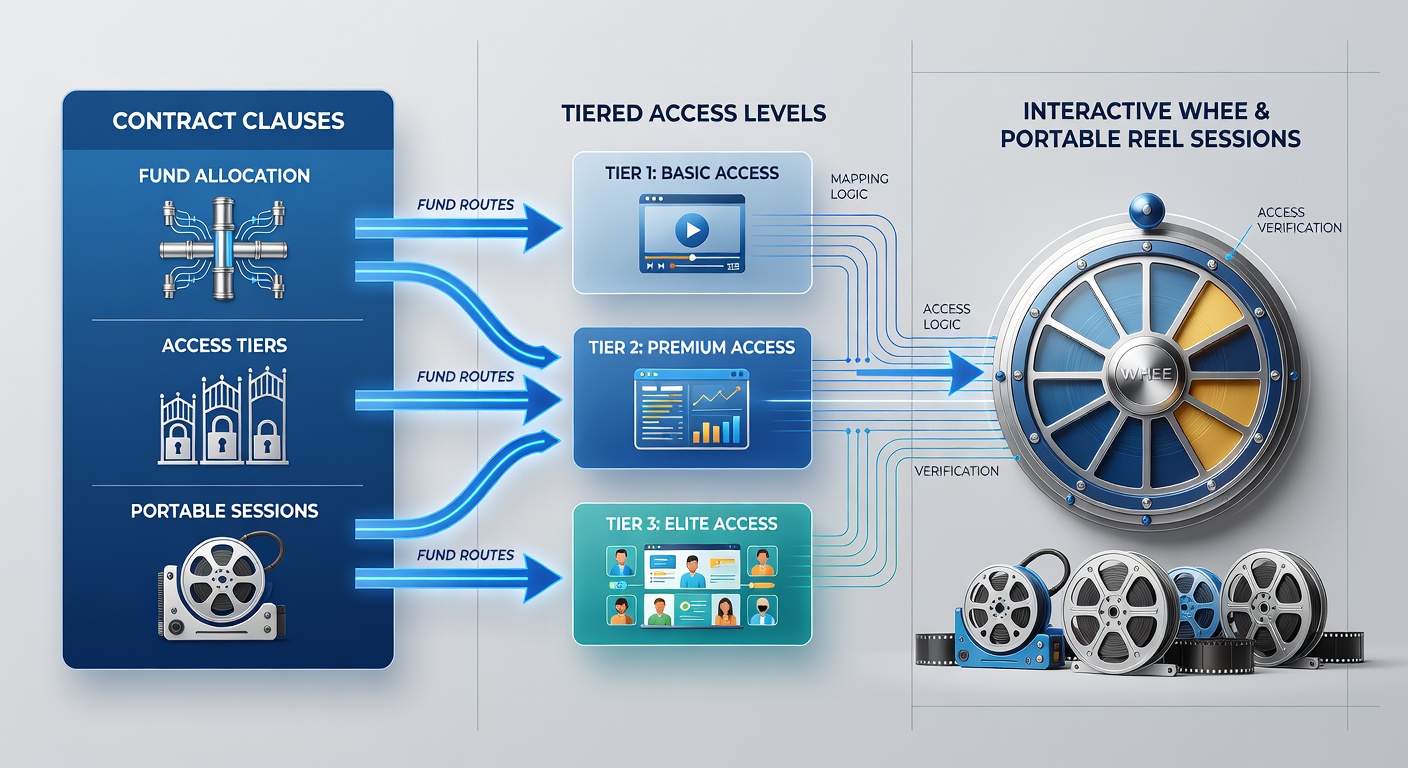
Platform updates anticipated in May 2026 incorporate refined clause wording that further segments wheel zone access according to cumulative funding history, and this refinement allows operators to maintain consistent user experiences across portable devices while satisfying audit requirements from bodies such as the Nevada Gaming Control Board. Those who review these documents find recurring patterns where fund route categories receive explicit labels like standard, verified, and premium, each corresponding to distinct wheel interaction parameters including spin frequency and result display options.
Legal and Operational Implications
Contract clauses of this nature also address dispute resolution pathways tied to fund route disputes, and they establish timelines for tier reevaluation following payment processing delays or reversals, while industry organizations like the European Gaming and Betting Association have tracked how such provisions reduce ambiguity during user onboarding processes. Data indicates that clear mapping reduces support ticket volume related to access restrictions, and operators integrate these clauses into automated compliance checks that flag inconsistencies between declared funding routes and actual tier activation.
Examples from Platform Implementations
One documented case involves a clause set that routes initial card authorizations to basic reel sessions on portable devices but requires a secondary digital wallet confirmation to reach interactive wheel zones with live elements, and this bifurcation appears in multiple service agreements examined by academic researchers studying digital gaming infrastructure. Another instance shows clauses that accumulate points from repeated fund routes across sessions, granting automatic tier elevation once thresholds are met without separate applications.
Regulatory developments projected for May 2026 emphasize transparency in these mappings, requiring operators to present clause summaries during account creation so users encounter the fund route to tier connections before any transactions occur. Observers note that such requirements aim to align platform practices with evolving standards across different markets, and they reference studies from the University of Nevada Las Vegas that analyze clause effectiveness in maintaining session integrity across mobile environments.
Conclusion
Contract clauses that map fund routes to tiered access continue to shape portable reel sessions and interactive wheel zones through precise language that links payment pathways with feature availability, and these provisions evolve alongside platform capabilities and regulatory expectations. Figures reveal ongoing refinements in clause structure that support both operational efficiency and compliance across jurisdictions, while maintaining distinct boundaries between access levels based on verified funding activity.