Legal Frameworks Directing Instant Funding Routes and Privilege Escalations in Mobile-Based Interactive Prize Environments
Written by Quinn Lange · Jun 24, 2026
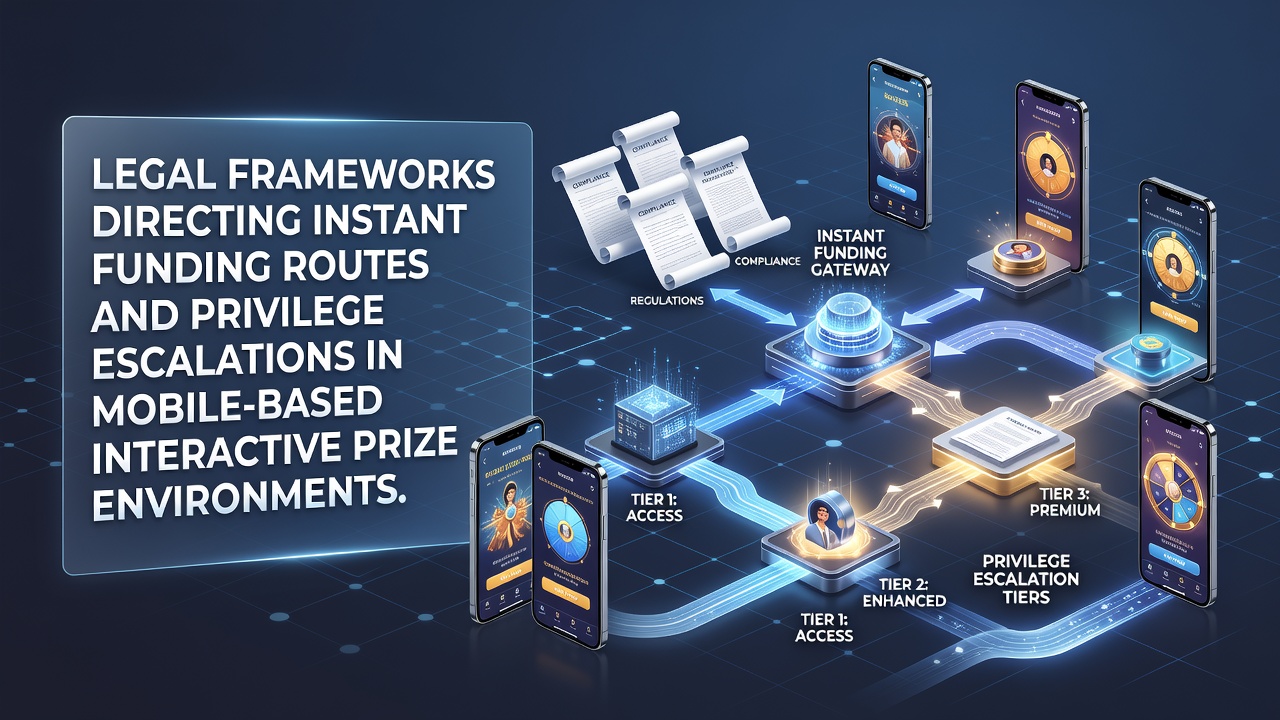
Legal Frameworks Directing Instant Funding Routes and Privilege Escalations in Mobile-Based Interactive Prize Environments
Regulatory bodies across multiple jurisdictions have established detailed rules that govern instant funding mechanisms and tiered privilege systems within mobile prize applications, and these frameworks continue to evolve as technology advances. Payment processing standards require verification protocols that align with anti-money laundering directives while enabling rapid transactions through digital wallets and banking integrations. Privilege escalation pathways, often structured as tiered membership programs, fall under consumer protection statutes that mandate transparency in eligibility criteria and benefit disclosures.
Core Regulatory Structures for Mobile Funding Channels
Authorities in regions such as the European Union and various North American states enforce licensing requirements that specify how operators must handle real-time deposits and withdrawals in prize-based mobile environments. These rules emphasize secure authentication processes including multi-factor verification and transaction monitoring systems designed to flag irregular patterns. Data from the National Conference of State Legislatures shows that over 30 U.S. jurisdictions had implemented specific mobile gaming payment guidelines by early 2025, with several updating their protocols to address emerging digital currency options.
Operators must integrate payment gateways that comply with regional financial regulations, and this includes restrictions on certain funding sources to prevent unauthorized access or fraudulent activity. Privilege escalations connect directly to these funding routes because accumulated activity often determines access to higher tiers, which in turn affects reward structures and withdrawal limits. Regulators require clear documentation of how spending thresholds translate into elevated status levels, ensuring that users receive accurate information before engaging with these systems.
Privilege Escalation Mechanisms Under Legal Scrutiny
Tiered access programs in mobile prize platforms operate within boundaries set by consumer protection laws that prohibit misleading representations of benefits. Legal frameworks in Australia and select Canadian provinces mandate that operators publish detailed terms outlining teh conditions for advancing through privilege levels, including any associated costs or activity requirements. These disclosures must appear in accessible formats on mobile interfaces to accommodate users who interact primarily through handheld devices.
Studies conducted by academic institutions have examined how these escalation systems interact with funding regulations, revealing that many jurisdictions now link VIP qualification criteria to verified transaction histories rather than unmonitored metrics. This approach helps maintain compliance with broader financial oversight rules while supporting platform functionality. Operators face audits that assess whether privilege benefits, such as expedited processing or exclusive features, align with advertised claims and do not create unfair advantages that violate competition statutes.
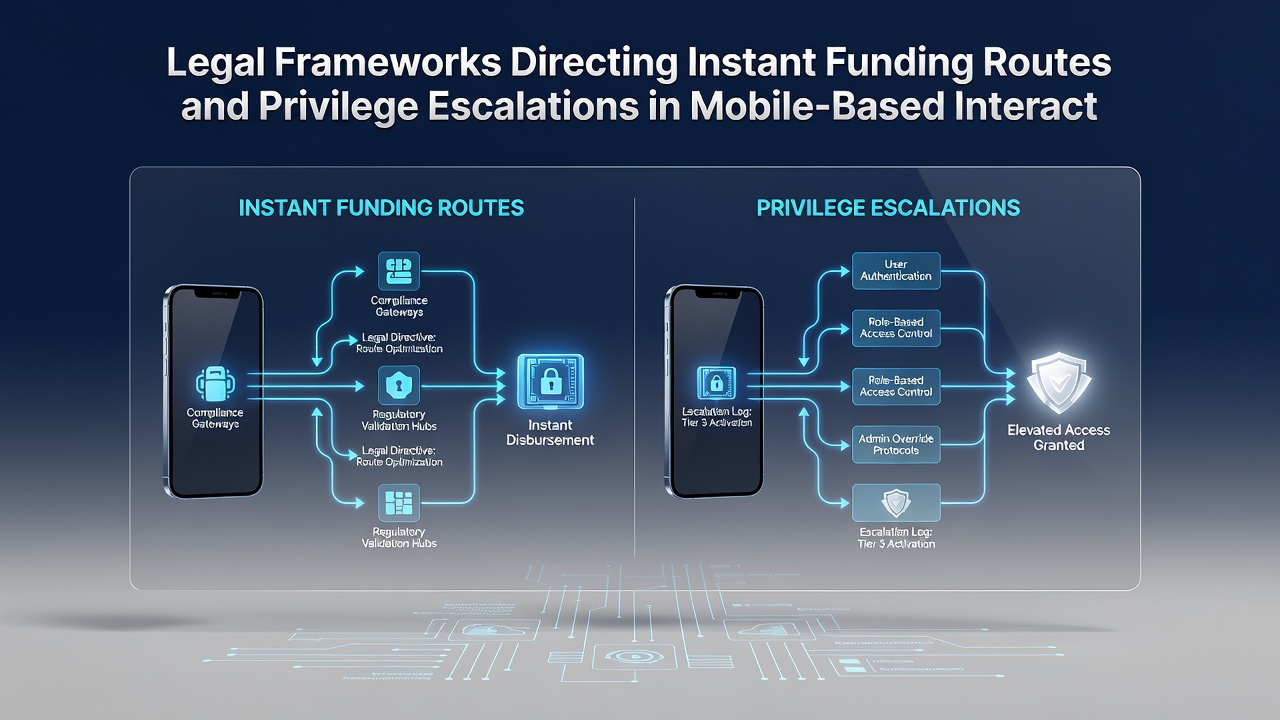
Developments Anticipated in Mid-2026
Regulatory updates scheduled for June 2026 in several European markets aim to standardize cross-border mobile payment verification for interactive prize environments, according to announcements from the European Gaming and Betting Association. These changes will require enhanced data sharing between operators and financial institutions to streamline instant funding while strengthening safeguards against privilege escalation abuse. Similar initiatives in parts of Asia focus on integrating biometric authentication into both deposit systems and tier advancement tracking to reduce discrepancies in user eligibility assessments.
Industry reports indicate that these forthcoming standards will also address how mobile applications must display real-time status updates for funding routes and privilege levels, creating uniform expectations across different platforms. Compliance teams at major operators have already begun testing systems that align with these projected requirements, particularly those involving automated alerts when users approach escalation thresholds tied to funding activity.
Interaction Between Funding Routes and Privilege Systems
Legal provisions frequently treat instant funding mechanisms and privilege escalations as interconnected elements rather than isolated features. For instance, rules in multiple jurisdictions stipulate that rapid deposit options cannot be promoted exclusively to higher-tier users without equivalent access for all verified participants, preventing discriminatory practices. This integration ensures that mobile prize environments maintain equitable structures while supporting efficient transaction flows through approved channels.
Observers note that enforcement actions in recent years have targeted platforms where funding delays disproportionately affected lower-tier users seeking to qualify for escalated privileges. Such cases have prompted broader adoption of standardized processing timelines across regions, with regulators referencing guidelines from organizations like the International Association of Gaming Regulators to promote consistency.
Conclusion
Legal frameworks continue to shape how instant funding routes and privilege escalations function within mobile-based interactive prize environments through layered requirements for transparency, security, and equitable access. Updates expected around June 2026 will likely reinforce these connections by introducing refined verification standards and disclosure protocols. Operators and users alike navigate these rules through systems that balance operational efficiency with regulatory compliance across diverse geographic areas.