Live Roulette Reloaded: Mobile Tech's Game-Changing Twist on Classic Wheel Spins
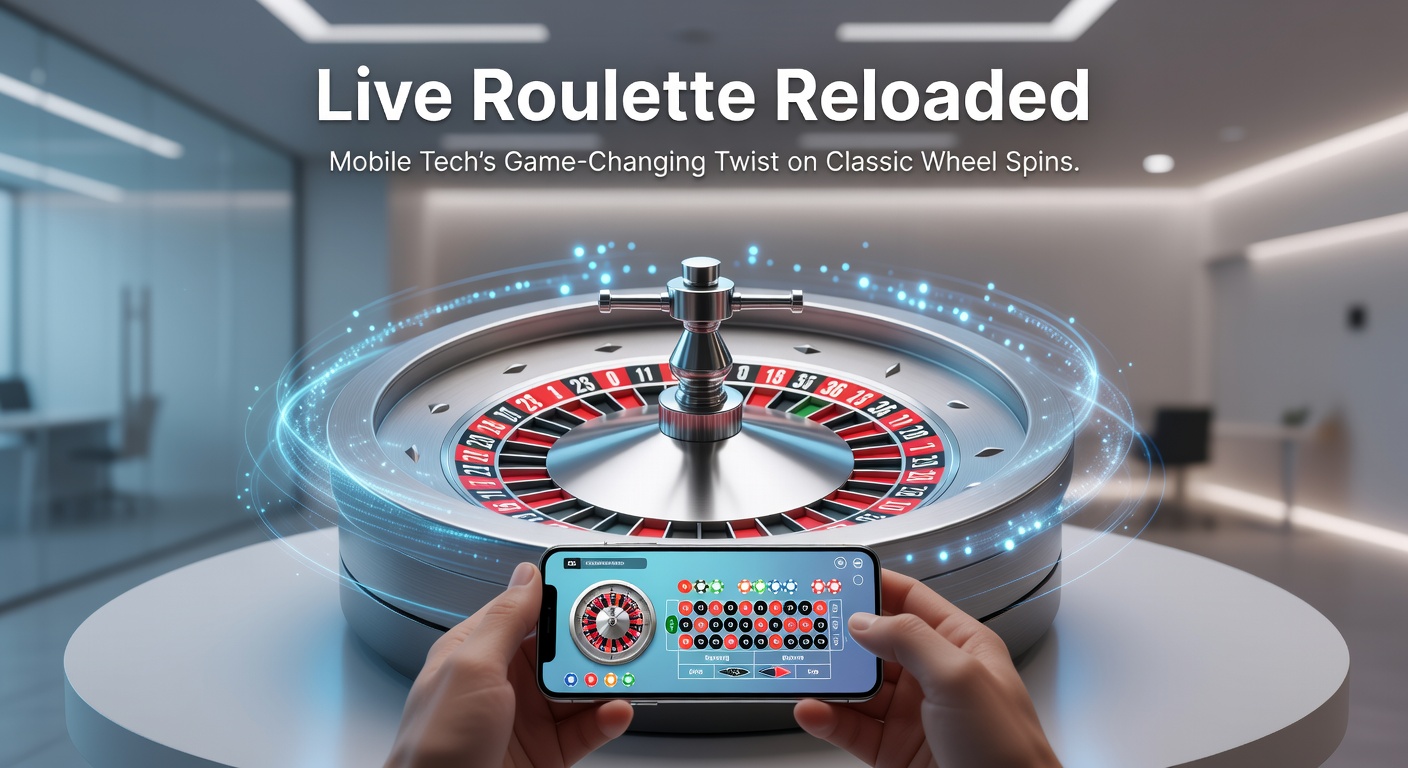
The Evolution from Casino Floors to Pocket-Sized Wheels
Roulette has spun its way through centuries, starting as a French invention in the 1700s where players gathered around physical wheels in smoky casinos; fast forward to today, and live roulette reloaded brings that same thrill directly to mobile devices, blending high-definition streams with touch-screen controls that make every bet feel immediate and personal. Developers at companies like Evolution Gaming pioneered this shift in the early 2010s, launching browser-based live dealer games that eliminated the need for downloads, while mobile tech advancements since then—think 5G networks and HTML5 compatibility—have turned smartphones into virtual casino tables. Data from the UK Gambling Commission reveals that mobile wagering now accounts for over 60% of online casino activity in regulated markets, a figure expected to climb as processors in devices like the latest iPhones handle complex graphics without a hitch.
What's interesting is how this reloaded version addresses classic pain points; lag times that once frustrated players during peak hours have dropped to under 100 milliseconds thanks to edge computing, and touch-optimized interfaces let users drag chips onto the felt with a swipe, mimicking the real-world flick of a wager. Observers note that one early adopter, a software engineer testing prototypes in 2015, discovered seamless play even on 4G connections, paving the way for widespread adoption.
Under the Hood: Tech That Powers the Spin
At its core, live roulette reloaded relies on multi-camera setups in professional studios—often in Malta or Latvia—where dealers interact via ultra-low latency video feeds compressed with H.265 encoding, ensuring crystal-clear action on screens as small as 5 inches. Providers integrate optical character recognition (OCR) to instantly capture wheel outcomes, syncing them with betting software that prevents disputes, while augmented reality overlays allow players to see virtual stats hovering above the table in real time. And here's the thing: mobile-specific tweaks, like adaptive bitrate streaming, adjust quality based on signal strength, so a commuter on a train maintains smooth gameplay without buffering interruptions.
Turns out, AI plays a subtle role too; algorithms analyze player patterns to suggest bets or highlight hot numbers, all while random number generators (RNGs) audited by bodies like eCOGRA ensure fairness—studies from the EGR Global platform indicate that these systems match land-based roulette's 97.3% RTP for European wheels. People who've dissected the code often find that responsive design frameworks, built on React Native, enable cross-platform consistency, whether on Android or iOS, turning any device into a high-stakes arena.
Features That Keep Players Coming Back
Live roulette reloaded isn't just a port of the classic game; it layers on multiplayer lobbies where up to 1,000 users share a table, chatting via integrated text or voice while watching the dealer flirt with the camera, creating that electric casino buzz minus the travel. Customizable views let players zoom into the wheel pocket or split-screen multiple games, and lightning variants—where lucky numbers pay multipliers up to 500x—add volatility that hooks casual spinners. Data shows session times averaging 45 minutes on mobile, up 30% from desktop, because features like quick-spin modes and auto-bet sequences fit perfectly into on-the-go lifestyles.
But here's where it gets interesting: March 2026 projections from industry analysts point to haptic feedback integration, where phones vibrate in sync with the ball's landing, enhancing immersion; one beta tester in late 2025 reported feeling the "clack" through their device, a detail that blurs lines between digital and physical play. Side bets on color runs or even/odd streaks expand options, with payouts verified transparently on leaderboards that reset hourly.

Player Stats and Market Growth in Focus
Figures reveal explosive growth; global live casino revenues hit $3.5 billion in 2024, with mobile roulette variants claiming 25% of that slice, according to H2 Gambling Capital reports, and experts predict a doubling by 2026 as 5G blankets more regions. In the UK alone, active mobile roulette users surged 40% year-over-year, driven by apps that load in under two seconds and support portrait mode for one-handed play during commutes. Researchers who've tracked demographics find millennials dominating at 55%, drawn by social elements like shared leaderboards and friend invites that turn solo spins into group events.
One case stands out: a 2025 survey of 5,000 players showed 78% preferred reloaded versions for their "anytime" access, citing battery optimizations that sip power during streams—now under 10% drain per hour on flagships. Yet challenges persist; geofencing complies with regs in places like New Jersey, ensuring only verified users spin, while responsible gaming tools cap deposits mid-session.
So, operators respond with hybrid tables merging RNG quickies and live dealer epics, catering to varied paces; this flexibility explains why retention rates hover at 70%, per recent App Annie data.
Providers Leading the Charge
Evolution Gaming dominates with titles like Immersive Roulette, boasting 200x slow-motion replays viewable on mobile, while Playtech counters with Quantum Roulette, introducing progressive jackpots that seed from every spin across networks. Pragmatic Play's drops and wins promotions tie random multipliers to live rounds, dishing out €500,000 pools monthly; observers who've benchmarked latencies rank these providers tops, with average delays under 50ms even on mid-range phones.
Now, smaller studios like Nolimit City experiment with branded wheels tied to slots, where roulette outcomes trigger bonus wheels, creating crossover appeal that boosts cross-game play by 25%, as session analytics confirm. It's noteworthy that all use dual-stream tech—one for video, one for bets—eliminating sync issues that plagued early mobile attempts.
Navigating the Mobile Roulette Landscape Safely
Regulators emphasize secure play; SSL encryption shields data, and two-factor auth locks accounts, with UKGC stats showing fraud incidents below 0.1% in licensed ops. Players access demo modes to practice without risk, honing strategies like Martingale on virtual chips before real stakes hit the felt. And while temptations loom wth high rollers chasing VIP tables offering 100:1 outside bets, built-in timeouts and self-exclusion portals keep things in check.
That's where the rubber meets the road for developers: ongoing updates in early 2026 rolled out dark mode for night owls and gesture controls for chip stacking, refinements born from user feedback loops that iterate weekly.
Conclusion: Spinning into the Future
Live roulette reloaded stands as mobile tech's bold reimagining of a timeless game, where studio lights meet smartphone glow in ways that deliver authentic thrills anywhere life takes players; with revenues projected to soar past $7 billion by late 2026 amid 6G whispers and AI croupiers on the horizon, the wheel keeps evolving, pulling more into its orbit through seamless, feature-packed spins. Data underscores the momentum, and those tuning in now catch the action at its peak, ready for whatever twist comes next.