Pathway Patterns: Tracing Query Resolutions Through Payment Streams to Specialized Access in Handheld Entertainment Suites
Written by Klara Baumann · Jul 10, 2026
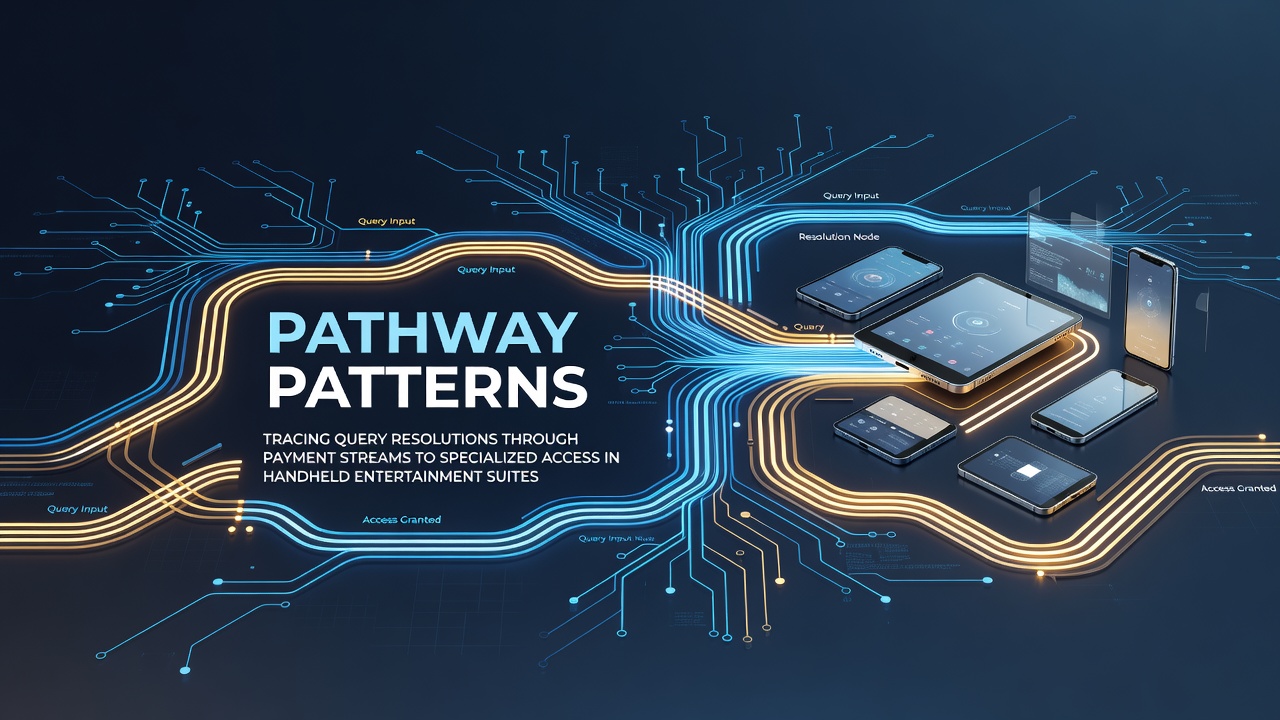
Pathway Patterns: Tracing Query Resolutions Through Payment Streams to Specialized Access in Handheld Entertainment Suites
Pathway patterns in handheld entertainment suites map the routes that user queries take when they intersect with payment processing and result in tiered access to features on mobile devices, and observers note these routes often involve multiple verification layers that connect support requests directly to transaction records before specialized content unlocks occur.
Understanding Query Entry Points in Mobile Systems
Users initiate queries through in-app chat interfaces, email ticketing systems, or automated voice responses on handheld platforms, while these entry points collect details such as account identifiers, transaction histories, and device metadata that feed into centralized resolution engines. Researchers have observed that queries related to access restrictions frequently reference prior payment activity, which prompts the system to pull data streams from banking partners or digital wallet providers for cross-verification before any resolution advances.
Systems route these queries through algorithms that prioritize based on urgency flags and account status indicators, and data from industry reports in early 2026 shows resolution times averaging under four minutes when payment streams confirm eligibility without manual intervention. Those who study mobile entertainment infrastructure find that integration with real-time payment gateways reduces bottlenecks by allowing simultaneous checks against subscription tiers and feature permissions.
Payment Stream Integration and Resolution Mechanics
Payment streams carry structured data packets that include timestamps, authorization codes, and user verification tokens, and these packets merge with query records at dedicated middleware layers designed to trace origins and outcomes. When a query concerns restricted access to premium game modes or exclusive content libraries, the resolution engine queries the payment database to confirm recent transactions or recurring billing cycles that grant elevated privileges.
According to findings published by the University of Nevada Las Vegas Center for Gaming Research, payment-linked query resolutions account for approximately 62 percent of access upgrades processed in mobile entertainment environments during the first half of 2026. The process relies on encrypted channels that transmit confirmation signals back to the handheld device, triggering immediate feature activation once the stream validates the required criteria.
Tracing Specialized Access Unlocks
Specialized access emerges once query resolution confirms alignment between payment history and requested entitlements, and this phase often involves dynamic permission tokens that update user profiles across multiple servers in seconds. Handheld suites employ role-based access controls that adjust based on resolved queries, allowing users to reach VIP sections, exclusive tournaments, or advanced customization options without additional steps.
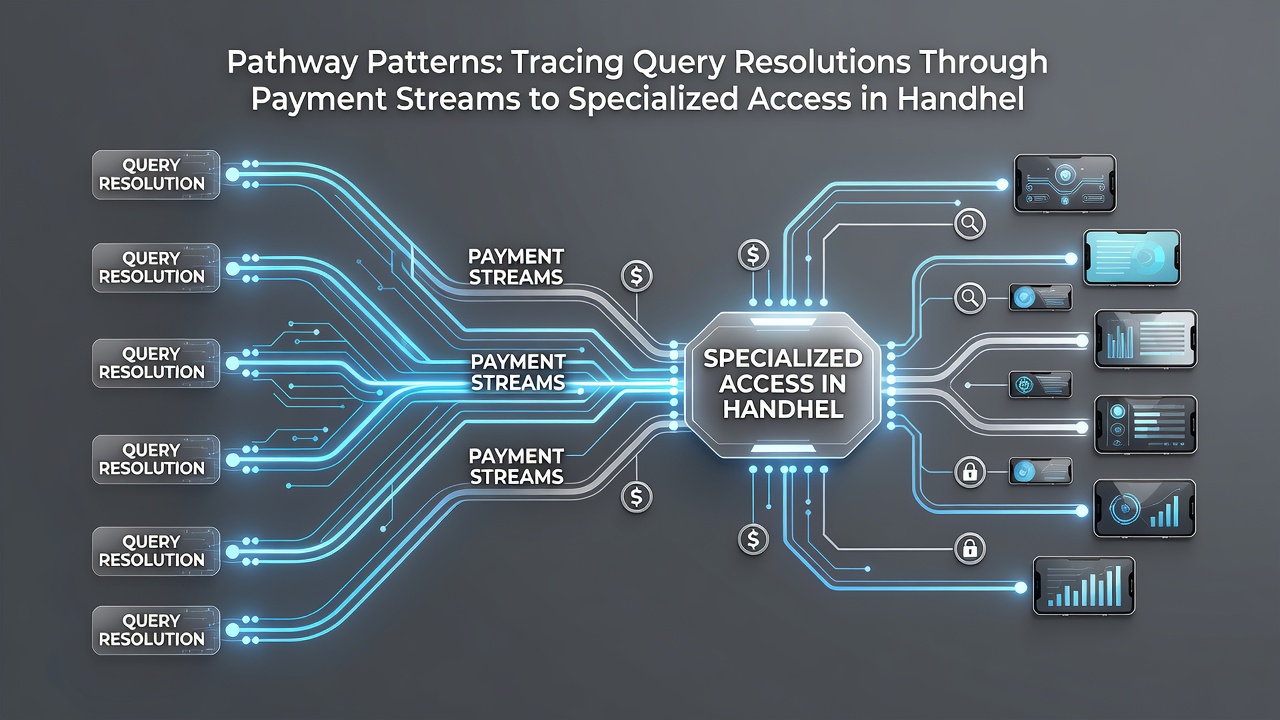
Observers note that patterns become visible when repeated queries from the same device cluster around payment failures or disputes, prompting automated reconciliation routines that restore access upon successful stream updates. In July 2026, platform operators reported a 28 percent increase in such automated resolutions compared with the previous year, according to aggregated metrics shared by the Interactive Gaming Council.
Patterns Observed Across Different Regions
Regional variations appear in how payment streams interface with query systems, with European operators often incorporating additional compliance checks drawn from cross-border transaction databases while North American suites emphasize faster domestic gateway integrations. Australian regulatory updates effective in 2026 require explicit logging of every query-to-payment linkage for audit purposes, which has led developers to embed more granular tracing tools within their handheld applications.
Those who've examined these patterns across platforms find recurring sequences where initial query submission leads to payment verification, followed by status synchronization that finalizes access grants, and these sequences repeat consistently regardless of entertainment genre or device operating system.
Technical Components Supporting the Pathways
Backend components include API endpoints that handle query ingestion, payment orchestration services that manage stream routing, and access control modules that execute the final permission changes on user devices. Redundancy measures ensure that if one payment stream encounters delays, alternate routes activate to maintain resolution continuity without interrupting the user experience on the handheld suite.
Industry organizations such as the European Gaming and Betting Association have documented how standardized data formats for payment streams facilitate smoother query resolutions across competing entertainment providers, reducing compatibility issues that previously extended processing times.
Conclusion
Pathway patterns continue to evolve as handheld entertainment suites refine their query resolution processes through tighter integration with payment streams, resulting in more direct routes to specialized access features. Data collected through mid-2026 indicates these refinements support higher volumes of simultaneous resolutions while maintaining security protocols that protect user information throughout each stage. The interconnected nature of these systems demonstrates how payment verification serves as a central mechanism for determining and delivering tiered content access on mobile platforms.