Policy Pathways: Tracing Regulatory Texts' Effects on Transaction Routes, Status Upgrades, and Real-Time Dealer Sessions in App Interfaces
Written by Elena Long · Jul 17, 2026
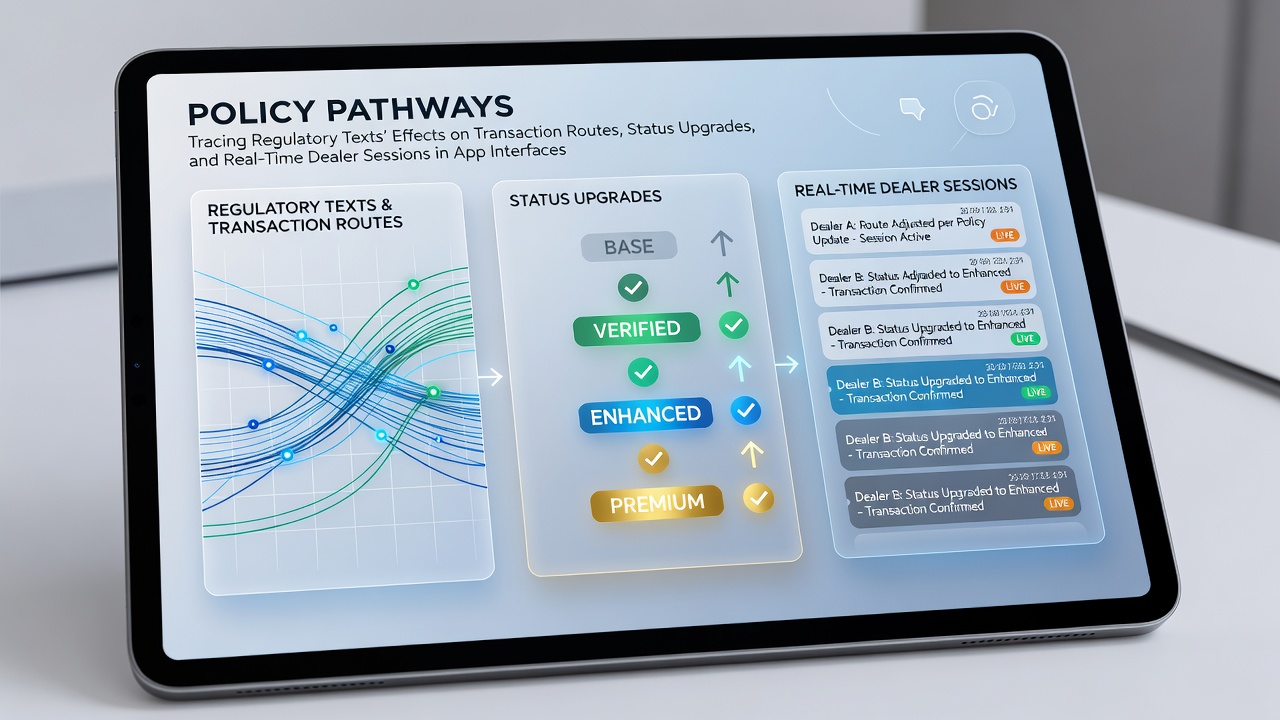
Policy Pathways: Tracing Regulatory Texts' Effects on Transaction Routes, Status Upgrades, and Real-Time Dealer Sessions in App Interfaces
Regulatory frameworks shape digital interfaces in gaming apps through detailed texts that guide payment processing, loyalty progression, and live interactions. Observers note these documents create structured pathways where compliance dictates how funds move, how users advance through tiers, and how dealer sessions unfold in real time. Data from multiple jurisdictions shows these effects compound across regions as operators align software with evolving rules.
Transaction Routes Under Regulatory Scrutiny
Payment pathways in apps respond directly to mandates on verification, anti-money laundering checks, and cross-border transfers. Texts from bodies like iGaming Ontario require layered authentication before funds clear, which forces developers to embed additional screens that route transactions through approved gateways only. Research indicates these steps lengthen initial processing times yet reduce dispute rates when users complete verification on first attempt.
European Commission directives on consumer protection further channel transaction flows by prohibiting certain high-risk methods in specific member states. Operators update app code to reroute users automatically toward compliant options, and figures reveal higher completion rates once interfaces display clear eligibility flags. Those who study these patterns find that July 2026 marks the rollout of updated transparency requirements that will standardize receipt formats across EU apps, tightening how transaction histories appear in user dashboards.
Status Upgrades and Tier Progression Rules
Loyalty systems operate within boundaries set by regulatory language on responsible gaming and fair play. Status upgrades hinge on documented play history, yet rules cap the speed of advancement and require operators to publish clear criteria. Industry reports from the Australian Communications and Media Authority demonstrate that apps displaying progress meters tied to regulatory standards see steadier user retention because players understand exact thresholds for each tier.
Texts also address bonus allocation during upgrades, limiting how quickly promotional credits convert and mandating audit trails for every status change. Developers therefore program session logs that feed directly into tier engines, ensuring upgrades occur only after compliance verification passes. One study from the University of Nevada, Las Vegas Center for Gaming Research highlights that such automated checks cut manual reviews by 40 percent in regulated markets.
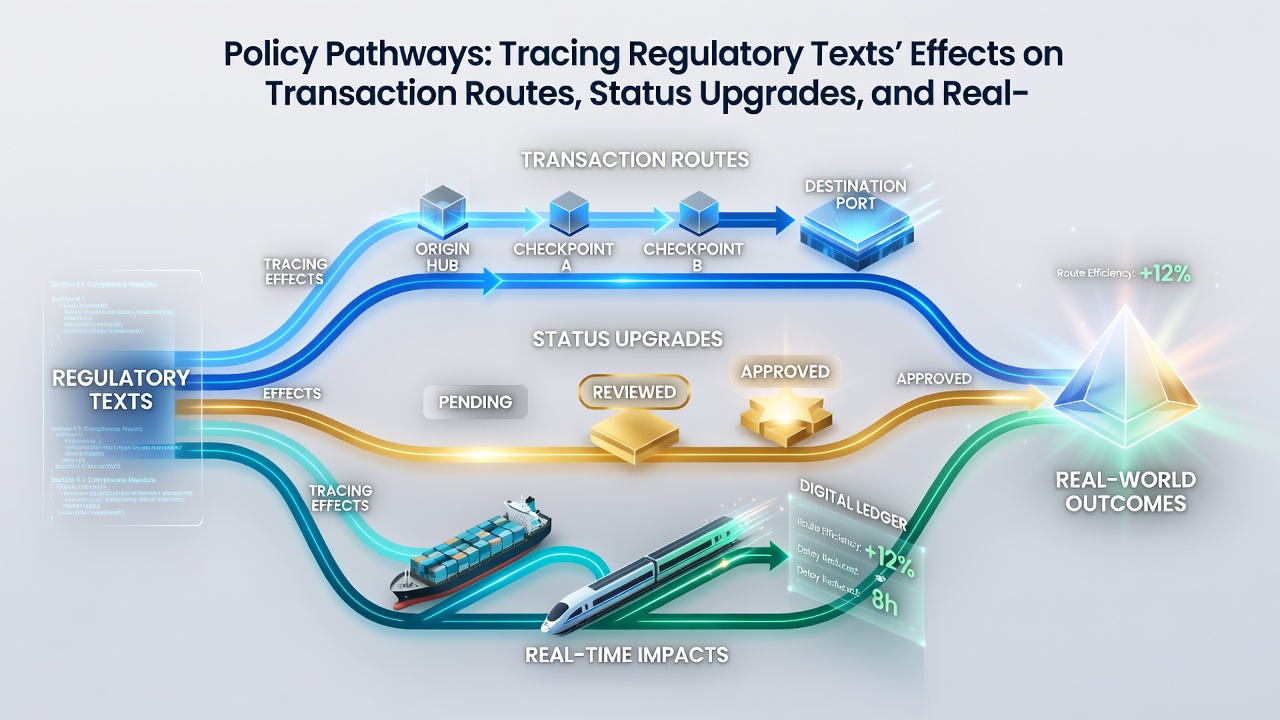
Real-Time Dealer Sessions and Compliance Layers
Live dealer features incorporate regulatory overlays that monitor game integrity, chat moderation, and session recording. Rules require continuous video feeds and timestamped logs, which apps implement through background processes that do not interrupt player views. Observers note that these mandates influence interface design by reserving screen space for regulatory notices that appear during dealer handoffs.
Texts from Canadian provincial regulators stipulate that dealers must operate under licensed studios with geofencing active at all times. App developers therefore integrate location services that pause sessions when users cross boundaries, and data shows such pauses prevent most inadvertent violations. What's interesting is how these same rules affect audio-visual quality settings, since regulations often specify minimum resolution and latency thresholds for fair play verification.
By July 2026 several jurisdictions plan synchronized updates to dealer certification protocols, which will require apps to refresh session metadata automatically upon each new shift. This change will standardize how status indicators appear alongside dealer names and game tables.
Intersections Across Payment, Status, and Dealer Elements
Regulatory texts rarely address one area in isolation. A single clause on data retention can affect transaction histories, tier eligibility calculations, and dealer session archives simultaneously. Developers map these overlaps during compliance reviews, then adjust backend databases so that one verified data point satisfies multiple requirements. Those who've examined implementation timelines find that coordinated updates reduce redundant coding and lower error rates in live environments.
Cross-jurisdictional apps therefore maintain separate rule sets that activate based on user location, while shared compliance engines handle the core logic. This architecture keeps interfaces responsive even as regulations shift, and evidence suggests operators who invest early in modular designs adapt faster to new texts.
Conclusion
Regulatory documents continue to define precise pathways through which transaction routes, status upgrades, and real-time dealer sessions operate in app interfaces. Updates scheduled around July 2026 will further refine these connections, requiring ongoing adjustments to software logic and user displays. Organizations that track these texts maintain functional systems that align with legal expectations across regions.