Regulatory Nuances Steering Journeys Across Reel Interfaces, Wheel Dynamics, Real-Time Tables, Incentive Layers, and Tiered Membership Structures in App-Driven Betting Platforms
Written by Katja Richter · May 17, 2026
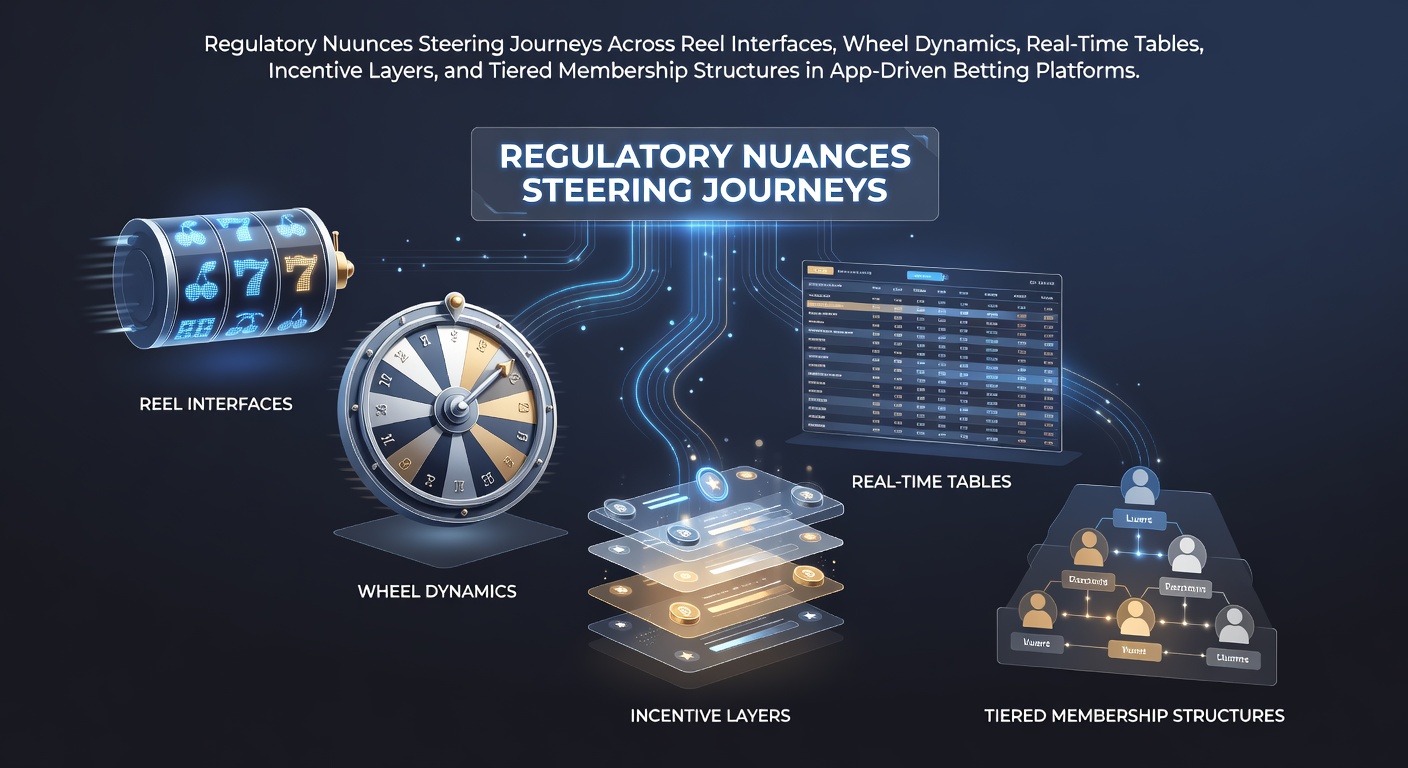
Regulatory Nuances Steering Journeys Across Reel Interfaces, Wheel Dynamics, Real-Time Tables, Incentive Layers, and Tiered Membership Structures in App-Driven Betting Platforms
Regulatory frameworks shape how app-driven betting platforms present reel interfaces and manage wheel dynamics while guiding real-time tables through incentive layers and tiered membership structures. In May 2026 operators continue to align mobile experiences with rules that govern display mechanics, bonus conditions, and player progression paths across multiple jurisdictions. These rules determine everything from how symbols animate on reels to the verification steps required before users unlock higher VIP tiers.
Reel Interfaces Meet Compliance Standards
Reel interfaces in betting apps must follow strict display requirements that prevent misleading animations or outcome previews according to data from the New Jersey Division of Gaming Enforcement. Developers adjust spin speeds and symbol weighting indicators so that every visual element matches certified random number generator outputs. Platforms operating in multiple regions apply these same technical constraints to maintain consistency, which means users see identical reel behavior whether they access games through iOS or Android devices.
Rules also cover how progressive jackpot meters update in real time. Operators integrate audit logs that record each meter change, creating traceable records that regulators can review during routine inspections. This level of transparency influences how developers design the visual feedback that appears when players approach bonus rounds.
Wheel Dynamics Under Regulatory Scrutiny
Wheel dynamics in digital roulette and prize wheels face similar oversight because regulators require clear demonstration that each segment lands according to published probabilities. App interfaces must display wheel segments with equal visual weighting unless the game rules explicitly state otherwise. During May 2026 several platforms introduced enhanced verification overlays that let users confirm wheel fairness through on-screen certificates issued by independent testing labs.
These overlays appear after significant wins or when players reach certain incentive thresholds. The approach helps platforms satisfy both local fairness mandates and international standards that emphasize player information access. Observers note that such features reduce support queries about wheel outcomes while keeping the experience fluid on smaller screens.
Real-Time Tables and Live Interaction Rules
Real-time tables operate under additional constraints that govern dealer conduct, stream quality, and chat moderation. Licensing bodies require platforms to maintain recordings of every session for set periods, which affects how apps handle data storage and retrieval. In practice this means live dealer feeds carry embedded timestamps and player identifiers that support dispute resolution without interrupting gameplay flow.
App designers respond by building compact control panels that let users adjust camera angles or request game history without leaving the table view. Such features help platforms meet accessibility expectations while complying with rules that protect both players and operators from potential misconduct claims.
Incentive Layers and Promotional Compliance
Incentive layers represent another area where regulations dictate presentation and eligibility. Bonuses must include clear wagering requirements and expiration details that appear before players accept offers. Platforms structure these disclosures within the same interface flow that displays reel or table options, ensuring users encounter terms at the moment of engagement rather than in separate menus.
Research from the European Gaming and Betting Association shows that transparent incentive structures correlate with lower complaint volumes across regulated markets. Developers therefore embed requirement summaries directly into deposit flows and reward claim screens. This integration keeps users informed while satisfying rules that prohibit hidden conditions.
Tiered Membership Structures and Advancement Criteria
Tiered membership structures must follow guidelines that prevent discrimination or unrealistic progression barriers. Regulators examine how platforms calculate points, define tier benefits, and communicate status changes to users. In May 2026 several operators updated their apps to display real-time progress meters alongside clear explanations of what each tier unlocks, including differences in withdrawal speeds and personalized support access.
These updates align with broader requirements that demand equal treatment across player segments. Platforms track tier-related data through centralized systems that allow regulators to audit whether benefits match published criteria. The result appears in app interfaces as consistent status badges and benefit summaries that update automatically after qualifying activity.
Cross-Border Considerations in App Design
Operators managing app-driven platforms across borders must reconcile differing rules on each of these elements. A single reel animation approved in one jurisdiction may require modification before release elsewhere. Similar adjustments apply to wheel segments, live table streams, bonus disclosures, and VIP advancement metrics. Development teams maintain region-specific builds that activate based on user location while preserving core functionality.
This modular approach helps platforms scale without violating local mandates. It also supports ongoing compliance monitoring as rules evolve, particularly around data protection and responsible gaming prompts that appear at various stages of the user journey.
Conclusion
Regulatory nuances continue to guide the design and operation of reel interfaces, wheel dynamics, real-time tables, incentive layers, and tiered membership structures within app-driven betting platforms. Through May 2026 these frameworks influence every visual and functional detail users encounter, from initial spin animations to VIP status indicators. Platforms that integrate compliance measures directly into app flows maintain smoother operations while meeting the expectations of diverse licensing authorities. The ongoing alignment between technical development and regulatory requirements shapes how players navigate these environments across devices and regions.