Regulatory Shields and Their Effect on Premium Account Journeys Within Portable Wagering Applications
Written by Elena Long · Jun 7, 2026
Regulatory Shields and Their Effect on Premium Account Journeys Within Portable Wagering Applications
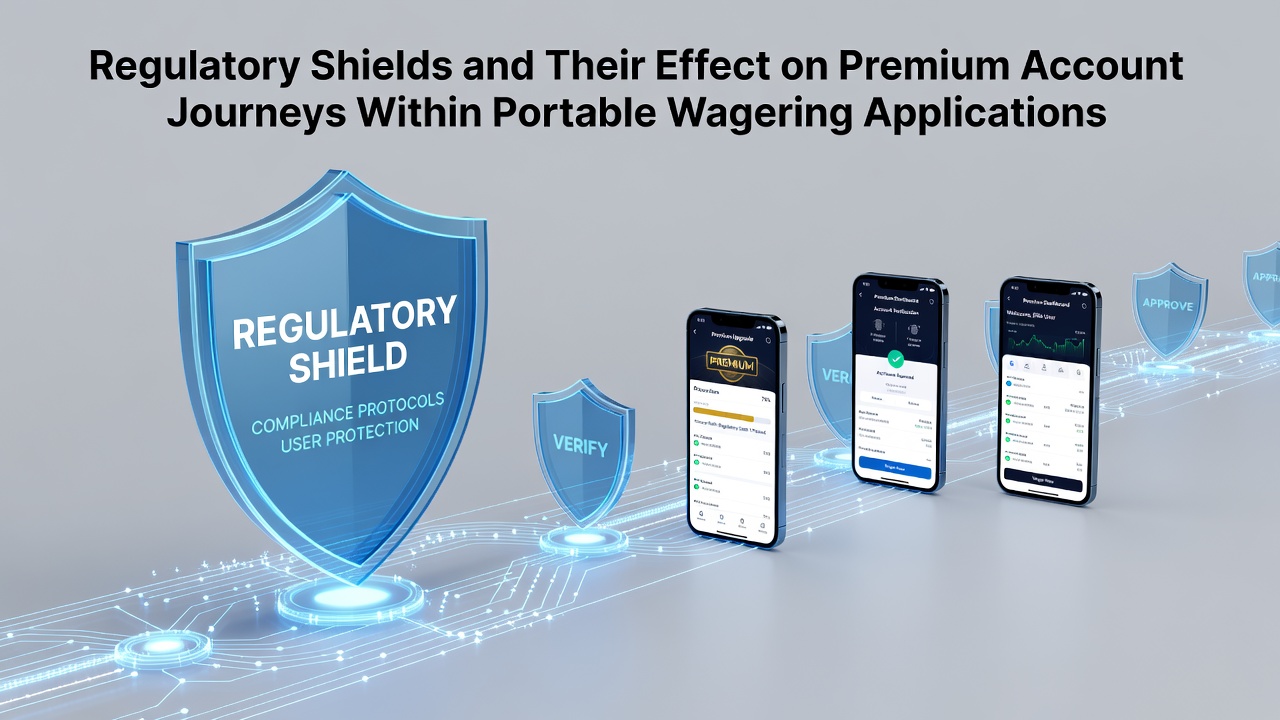
Regulatory shields in portable wagering applications encompass mandatory consumer protection measures that operators must implement to safeguard user accounts, and these frameworks directly shape how premium account holders progress through verification, spending limits, and reward structures. Data from multiple jurisdictions shows these requirements often extend verification timelines while simultaneously enforcing stricter deposit caps that affect high-value users differently than casual players.
Core Components of Regulatory Shields in Mobile Wagering
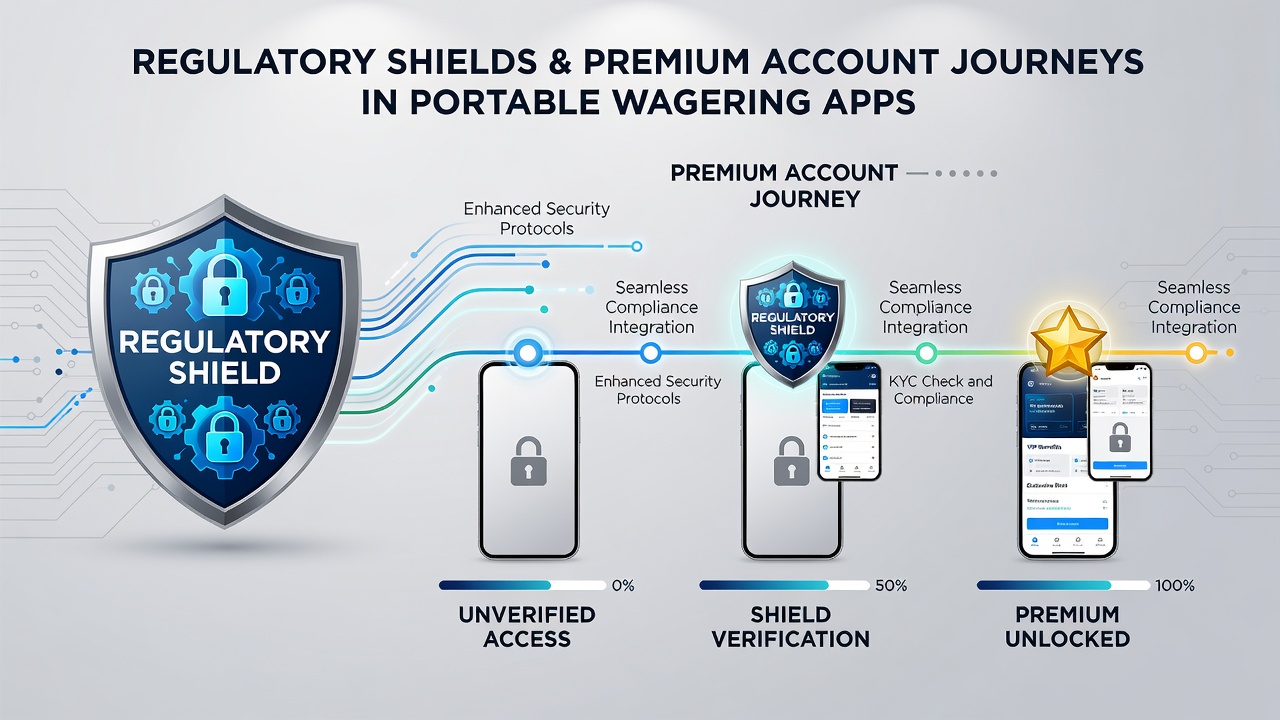
Portable wagering applications incorporate several layers of regulatory shields that include age verification protocols, self-exclusion tools, and real-time spending monitors, all of which operators integrate into premium account pathways. Researchers at institutions tracking global gambling trends note these elements create standardized checkpoints that every account must clear before accessing VIP benefits, and the process typically requires submission of identity documents alongside transaction history reviews.
Observers note that spending limit mandates, which cap daily or monthly deposits based on user risk profiles, force premium account holders to navigate additional approval steps when they attempt to increase thresholds. According to figures from the American Gaming Association, such limits have been linked to measurable shifts in how operators structure reward tiers, because high-activity users encounter friction when their activity triggers automatic reviews.
Impact on Verification and Onboarding for Premium Users
Premium account journeys begin with enhanced due diligence that regulatory shields demand, and this often involves cross-referencing multiple data sources before granting access to exclusive game lobbies or bonus pools. Studies from the University of Nevada Las Vegas Gaming Research Center indicate verification completion rates for premium applications drop by up to 22 percent when additional layers like source-of-funds checks activate, compared with standard accounts.
Operators respond by streamlining these flows through automated systems that flag discrepancies early, yet the requirement for human review in complex cases still extends timelines for some users. Those who study account progression patterns report that premium applicants who pre-load documents experience fewer interruptions, whereas others face repeated requests that delay VIP status activation.
Spending Controls and Their Influence on Reward Progression
Regulatory shields impose dynamic spending controls that scale with account activity levels, and premium users frequently encounter recalibrations that affect how quickly they accumulate loyalty points or unlock tier benefits. Reports compiled by the Canadian Gaming Association reveal that operators adjust these controls in response to user behavior data, creating situations where a premium account holder might temporarily lose access to certain promotions until a compliance review concludes.
The reality is that these adjustments protect against excessive play but also interrupt the seamless progression that premium account holders expect. In June 2026, several platforms introduced predictive analytics tools that forecast when a user might breach limits, allowing proactive notifications rather than abrupt halts, and early adoption metrics suggest this approach reduces support ticket volume by noticeable margins.
Regional Variations in Shield Implementation
Different regulatory bodies apply shields with varying intensity, and portable wagering applications must adapt premium account features accordingly when operating across borders. Australia's National Consumer Protection Framework, for instance, emphasizes mandatory pre-commitment systems that tie directly into VIP reward calculations, whereas frameworks in parts of Europe prioritize cooling-off periods that reset after certain thresholds.
Industry reports from the Singaporean Gambling Regulatory Authority highlight how these regional differences lead operators to maintain separate account management modules, each calibrated to local rules, which in turn fragments the premium user experience for travelers who switch between jurisdictions.
Operator Adaptations and Premium Account Design
Operators have developed tiered compliance dashboards that premium account holders access through dedicated mobile sections, and these tools display real-time compliance status alongside reward balances. Data indicates platforms that surface this information clearly see higher retention among premium segments because users understand exactly where they stand relative to regulatory boundaries.
Those who've examined interface changes note that visual cues, such as progress bars for spending limits, help users plan activity without triggering unintended restrictions. Yet the same systems sometimes create additional layers that premium users must manage alongside game selection and bonus claims.
Conclusion
Regulatory shields continue to define the boundaries within which premium account journeys unfold in portable wagering applications, and their effects appear consistently across verification speed, spending flexibility, and reward accessibility. Operators maintain compliance by embedding these protections into core account systems, while regional differences require ongoing adjustments to keep premium features functional worldwide. As new tools emerge in 2026 and beyond, the interplay between shields and premium progression will likely remain a central focus for both regulators and platform developers.