Service Networks Behind the Scenes: Connecting Deposit Systems, Elite Status Benefits, and Selection Interfaces in Handheld Casino Applications
Written by Katja Richter · Jun 10, 2026
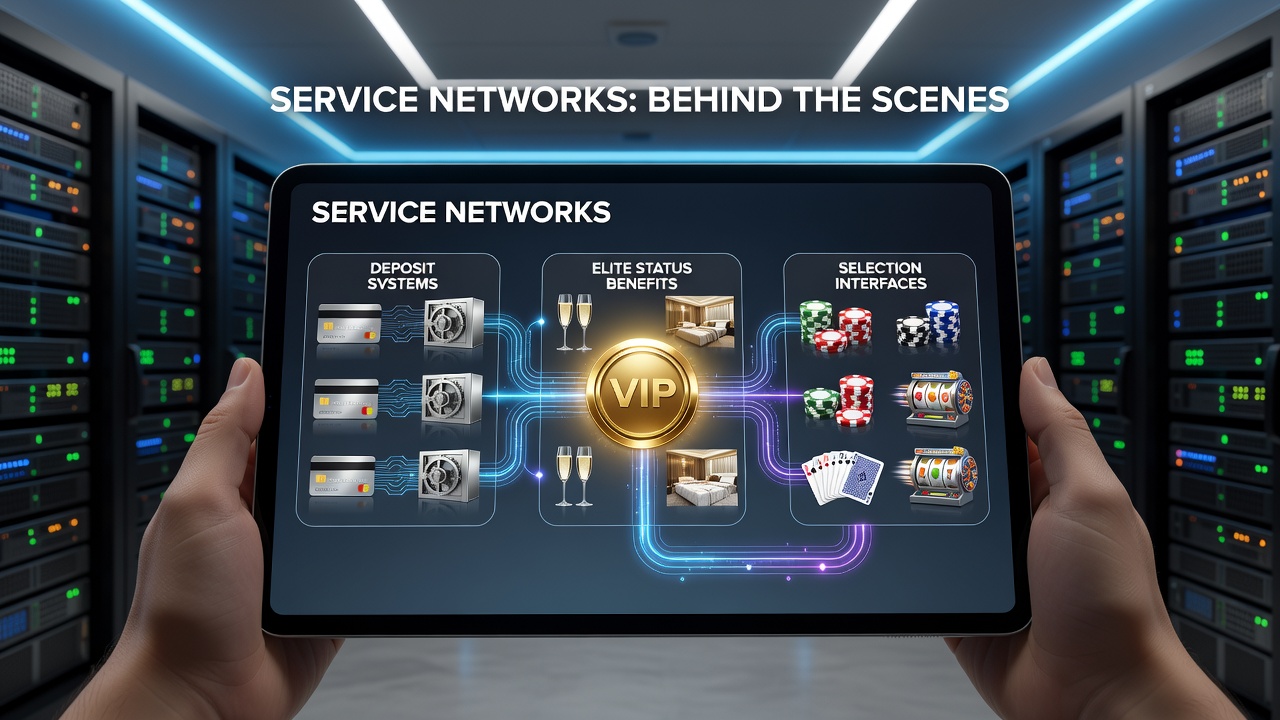
Service Networks Behind the Scenes: Connecting Deposit Systems, Elite Status Benefits, and Selection Interfaces in Handheld Casino Applications
Service networks in handheld casino applications operate through layered backend infrastructures that link payment processing directly to loyalty management platforms and user interface engines; these connections allow deposit confirmations to trigger immediate status evaluations while simultaneously updating game selection displays with personalized options. Data flows continuously across secure APIs that synchronize transaction records with customer relationship management databases, ensuring that each deposit registers not only as a financial event but also as a trigger for potential tier advancements.
Backend Integration of Deposit Systems
Deposit systems in mobile casino environments rely on encrypted gateways that communicate with banking networks and digital wallet providers through standardized protocols, and these gateways feed real-time confirmation data into central ledgers that record amounts, timestamps, and payment methods. Observers note that integration points often include fraud detection modules which cross-reference transaction patterns against historical user behavior, while regulatory compliance layers verify adherence to regional licensing requirements before funds become available for play. Research from the American Gaming Association indicates that such architectures handle millions of daily transactions across multiple jurisdictions, with synchronization occurring within milliseconds to maintain session continuity.
Elite Status Tracking Mechanisms
Elite status benefits emerge from algorithmic evaluations that accumulate points based on deposit frequency, wager volumes, and retention metrics, and these evaluations draw directly from the same ledgers populated by deposit systems. Service networks assign tier levels through automated scripts that query aggregated data stores, then push updated privilege sets such as accelerated withdrawal limits or exclusive event access back into user profiles. Figures reveal that status recalculations occur at fixed intervals or upon threshold crossings, enabling seamless transitions that affect available promotions without requiring manual intervention from support teams.
Selection Interfaces and Personalization Engines
Selection interfaces on handheld devices pull content from curated game libraries that adapt based on status data and recent activity logs, and personalization engines apply filters derived from loyalty profiles to prioritize titles aligned with user preferences. These engines connect through middleware layers that translate backend status flags into visual elements such as highlighted VIP sections or recommended progressive options, while maintaining load balancing to prevent delays during peak usage periods. Data indicates that interface updates reflect status changes almost instantly once deposit confirmations propagate through the network, creating a unified experience where payment activity influences both visibility and access rights.
Connections between these components rely on event-driven architectures where deposit events publish messages to message queues, and subscriber services for status management and interface rendering consume those messages to execute parallel updates. This publish-subscribe model reduces latency compared to polling methods, allowing systems to scale across thousands of concurrent sessions while preserving data consistency across distributed servers. In June 2026 several operators plan to introduce enhanced blockchain verification layers that further secure these message flows without altering the core linkage patterns already established.
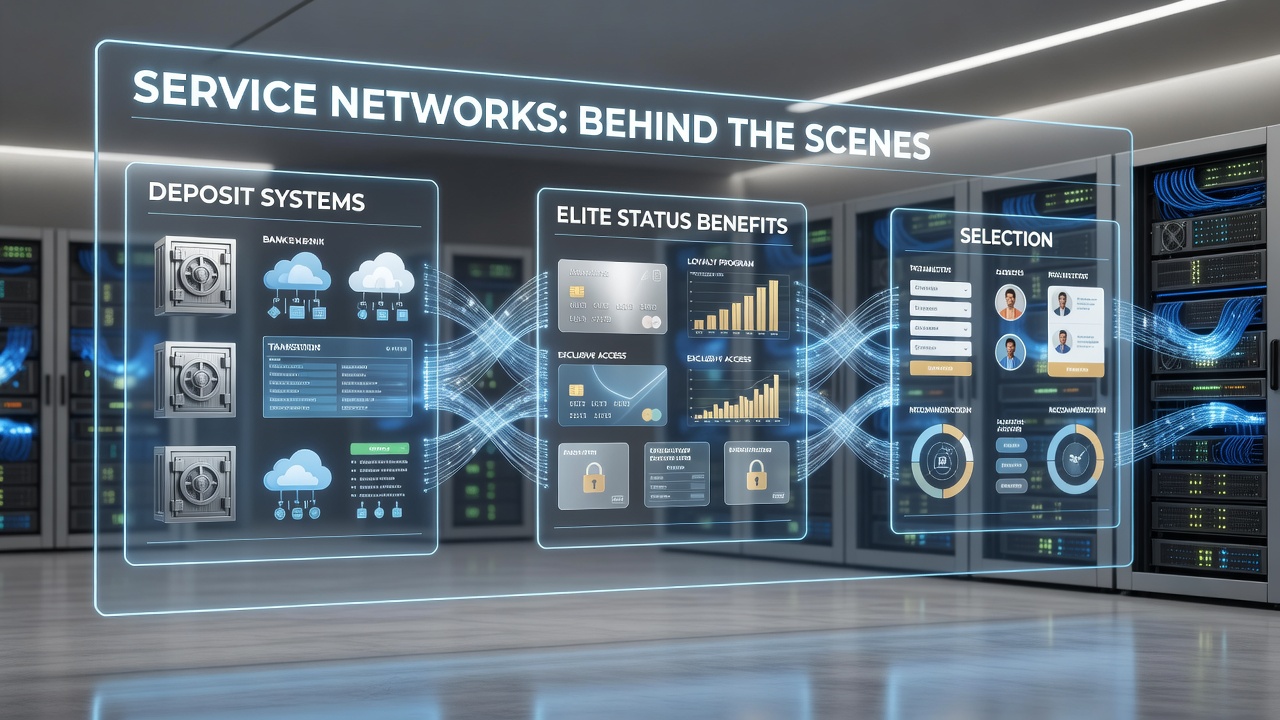
Data Synchronization and Security Protocols
Security protocols encrypt all inter-service communications using rotating keys and token-based authentication, and these measures prevent unauthorized access while permitting rapid data exchange between deposit processors and status databases. Synchronization checkpoints log every state change, creating audit trails that regulators and internal compliance teams review during periodic assessments. A study published by researchers at the University of Nevada, Las Vegas examined similar network topologies and found that redundant failover nodes maintain uptime rates above 99.9 percent even during regional outages, demonstrating the resilience built into these service meshes.
Selection interfaces receive status payloads through dedicated endpoints that enforce role-based access, ensuring that only verified profiles trigger premium content displays. While deposit systems focus primarily on financial reconciliation, their outputs feed directly into the same data lakes that power loyalty algorithms and recommendation models, forming a closed loop where each component informs the others without requiring separate user actions.
Conclusion
Service networks behind handheld casino applications demonstrate how tightly coupled deposit systems, elite status mechanisms, and selection interfaces create responsive user experiences through continuous data exchange and automated triggers. These architectures continue to evolve with new verification technologies while preserving the fundamental linkages that translate financial activity into visible benefits and tailored navigation options.