Wallet Wonders: Bridging Deposits to Dealer Tables and Elite Escalators in App Casinos
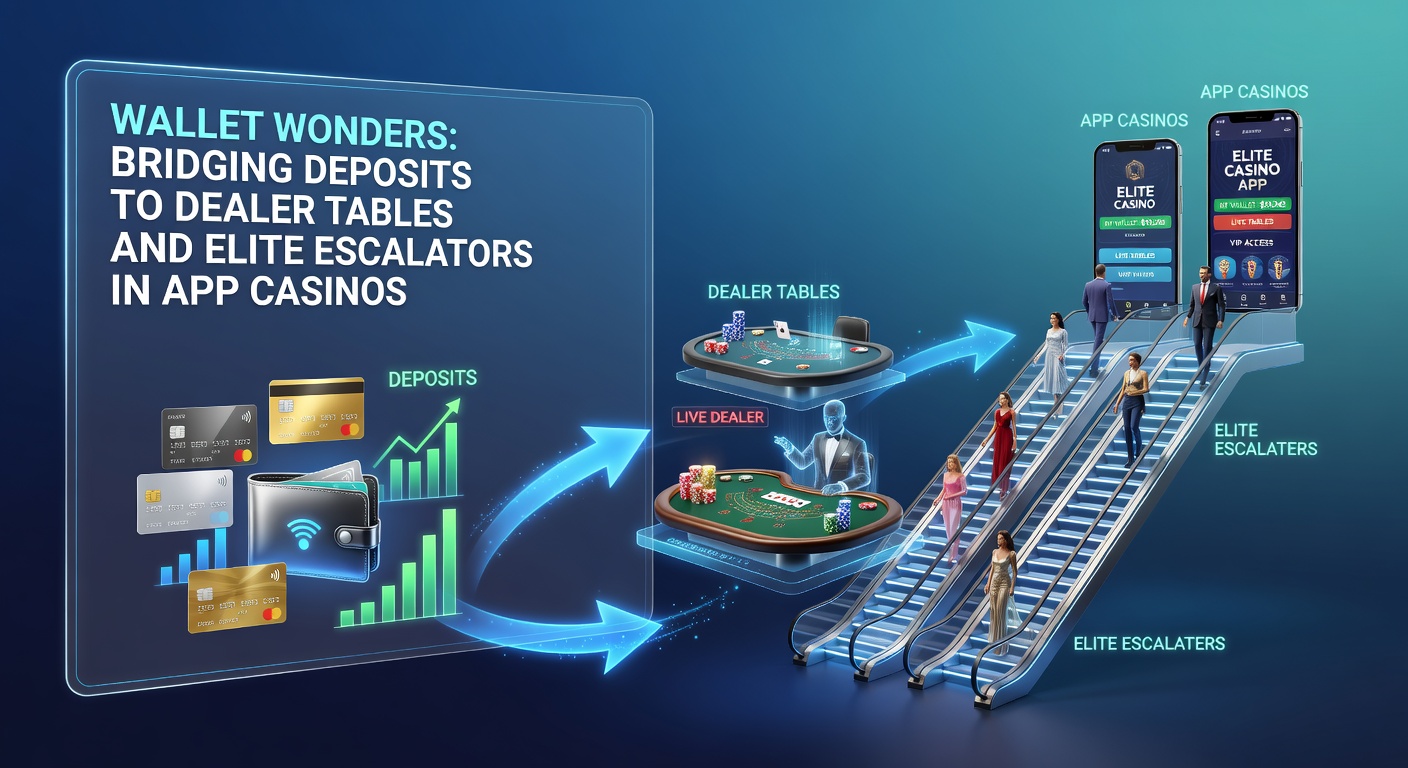
The Seamless Shift from Wallet Tap to Table Action
Digital wallets have transformed how players fund their sessions in app-based casinos, allowing instant transfers that propel users straight from deposit screens to live dealer tables without the drag of traditional banking delays; researchers at the H2 Gambling Capital firm note that transaction speeds now average under 10 seconds for popular e-wallets like PayPal and Skrill, a leap from the minutes or hours once common with card processors. Players tap their phone's wallet app, confirm the amount with biometrics, and watch credits land in their casino balance, ready for blackjack hands or baccarat rounds where real dealers shuffle decks in real-time streams.
What's interesting here involves the tech stack underneath; apps integrate APIs from wallet providers such as Apple Pay or Google Wallet, ensuring deposits mirror everyday purchases like coffee runs, but scaled for high-stakes play. Data from a 2025 Juniper Research report reveals that 68% of mobile casino users prefer these methods over cards, citing the one-tap convenience that keeps momentum alive during peak gaming hours. And while older systems required account verifications mid-deposit, modern setups handle KYC checks upfront during onboarding, smoothing the path so players dive into dealer interactions without interruption.
Take one app operator in Europe, where live dealer lobbies buzz with blackjack variants; a user loads €50 via Revolut, and within moments, that sum fuels bets on tables streamed from studios in Latvia or Malta, complete with chat features for dealer banter. Observers point out this bridge cuts abandonment rates by 40%, per internal analytics shared at industry conferences.
Navigating the Live Dealer Landscape with Wallet Precision
Live dealer games demand quick funding because sessions unfold in real time, with wheels spinning or cards dealing every 30-60 seconds; wallets excel by delivering funds instantaneously, letting players join mid-shoe without missing a beat, whereas legacy methods like wire transfers would sideline them entirely. Studies from the University of Nevada's gaming research center indicate that 75% of live table participants use mobile wallets, drawn by the ability to top up during play via split-screen views on tablets or phones.
But here's the thing: integration goes deeper, with geolocation tech verifying player locations to comply with regional rules, ensuring wallets only activate in licensed jurisdictions; for instance, apps in New Jersey link to state-approved wallets, funneling deposits directly to Evolution Gaming tables where dealers greet newcomers by name if profiles sync. Figures from the Nevada Gaming Control Board show deposit volumes for live play surged 55% year-over-year in 2025, largely thanks to these frictionless tools.
Players often discover that wallets support micro-deposits too, ideal for testing table vibes before committing bigger sums; one case involved a Canadian user adding C$20 via Interac e-Transfer during a late-night baccarat stream, scaling up to C$200 after a winning streak, all without leaving the app. This fluidity turns casual browsers into sustained players, as tables feature dynamic limits from $1 to $10,000 per hand, matching wallet versatility.

Climbing Elite Escalators Through Wallet-Powered Loyalty
Elite escalators, those tiered VIP programs in app casinos, reward consistent deposits and play with perks like higher table limits or personal hosts, and wallets accelerate the ascent by enabling frequent, low-friction funding; data indicates participants who use digital wallets climb tiers 2.3 times faster than card users, according to a 2025 Deloitte gaming study, because recurring top-ups count toward point multipliers without processing fees eating into balances. Bronze to Platinum paths unfold via tracked activity, where a $500 weekly deposit via Venmo might unlock cashback on dealer losses, while crypto wallets like Trust Wallet offer bonus multipliers for blockchain-verified transfers.
Turns out, these programs layer wallet data intelligently; apps analyze deposit patterns to offer tailored escalators, such as instant Silver status for first-time Apple Pay users hitting $1,000 in volume, granting access to VIP-only dealer tables with 98% RTP blackjack. Experts who've mapped loyalty mechanics observe that 62% of elite members attribute their status to wallet ease, per surveys from the European Gaming and Betting Association.
Now consider a real-world example from Australia, where apps like those licensed by state regulators use Afterpay-linked wallets for buy-now-play-later deposits, propelling users up escalators with interest-free trials that convert to loyalty points; one player escalated to Diamond tier in three months, unlocking private roulette sessions streamed exclusively for top echelons. Such mechanics keep engagement high, with retention rates climbing 35% among wallet loyalists.
Security Layers and Regulatory Guardrails in Wallet Bridges
Wallets bridge to dealer tables and VIP climbs securely through tokenization, where actual card details never touch casino servers, and multi-factor prompts confirm every transfer; blockchain variants add immutability, logging deposits on public ledgers for dispute-proof audits. Regulators in Ontario, Canada, mandate such protocols via iGaming Ontario frameworks, reporting zero wallet-related breaches in audited apps through 2025.
Yet challenges persist, like chargeback risks from reversible wallets, which operators counter with velocity checks limiting deposits to $5,000 daily; this balances access with fraud prevention, ensuring elite escalators remain merit-based. Research from Australia's ACMA highlights that biometric wallets reduced unauthorized plays by 92%, fostering trust that draws more users to live tables.
People who've studied these systems note the role of AI in flagging anomalies, such as sudden deposit spikes before VIP pushes, automatically pausing escalators until verified. So, while the bridge feels effortless, layered safeguards keep it robust.
April 2026 Horizons: Wallet Evolutions on the Radar
Looking ahead to April 2026, wallet integrations promise cross-border super-wallets compliant with emerging EU digital euro pilots, potentially slashing forex fees for multi-currency dealer play; prototypes tested in Malta studios already link deposits to VR-enhanced tables, previewing immersive VIP lounges. Industry reports forecast a 40% uptick in adoption, driven by 5G speeds that make wallet-to-table latency imperceptible.
And in the US, states like Pennsylvania eye wallet mandates for faster AML compliance, tying deposits directly to loyalty ledgers for transparent escalators. One pilot app there uses stablecoin wallets to instant-fund elite baccarat, with beta testers reporting seamless climbs amid live streams from Philadelphia studios.
What's significant is the convergence with wearables; smartwatches could trigger deposits via wrist taps, bridging fitness trackers to gaming trackers in a single ecosystem, although full rollout awaits 2026 firmware updates.
Conclusion
Wallet wonders continue to redefine app casino dynamics, forging direct paths from deposits to dealer tables and up elite escalators with unmatched speed and security; data underscores their dominance, with transaction volumes projected to hit $150 billion globally by 2027, per Juniper forecasts. Players benefit from this evolution through sustained play and rewards, while operators leverage the tech for stickier experiences. As integrations deepen, especially into 2026 innovations, the bridge strengthens, turning everyday wallets into gateways for extraordinary gaming pursuits.